Transparency Is the New Currency of Trust in Hospitality
If you haven’t accepted yet that we’re in a world where transparent information matters, I’m worried about you. If you still believe company-selfish, consumer-punishing contractual agreements can be hidden away while expecting customer loyalty and brand cheerleaders, you’re not paying attention to how business works anymore.
One viral social media story can bankrupt million-dollar businesses. Angry consumers create YouTube videos, entire websites and Twitter handles dedicated to righting the wrongs they feel companies have served up. Google rewards transparent content, social media demands it, and consumers trust it.
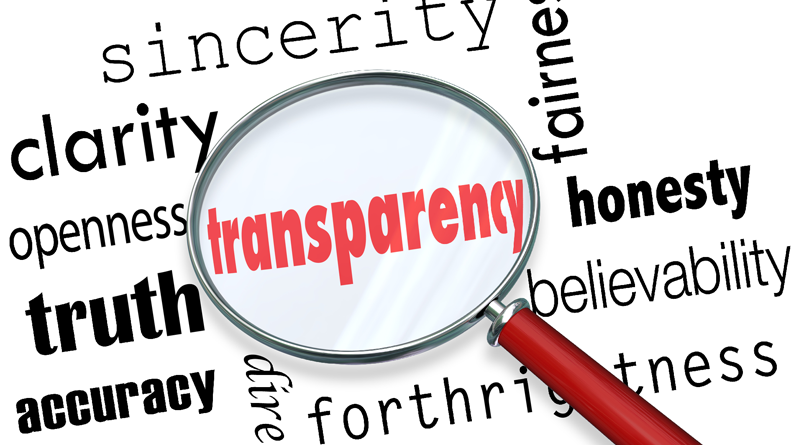
Real transparency is telling the truth in formats consumers actually consume content.
Transparency is NOT size 4 font disclaimers and buried contractual agreements that would make lawyers laugh.
Transparency IS clear details that are easy to access.
When Hidden Fees Become Hidden Costs
Southwest Airlines built a billion-dollar brand around “Transfarency” – their playful term for transparent pricing with no hidden fees, free checked bags, and honest communication. They spent millions on TV ads boasting about their transparent approach while competitors nickel-and-dimed customers. But in March 2025, Southwest abandoned everything that made them different, adding checked bag fees, basic economy fares, and dynamic pricing. The backlash was swift and brutal. The webpage that once championed “Transfarency” now leads to an “Error 404: Page Not Found” – a perfect metaphor for their abandoned values. Travel bloggers called it “nothing short of a slap in the face to travelers,” and the transparency that built customer loyalty for decades disappeared overnight.
Airbnb learned this lesson the hard way. For years, the platform faced sustained criticism over hidden fees that could double the cost of a stay. Guests would click on a $100 listing only to discover cleaning fees and service charges brought the total to $260. The backlash was relentless – viral TikToks, angry Reddit threads, and countless customer complaints about “bait and switch” pricing. In April 2025, Airbnb finally made total price display mandatory globally, showing all fees upfront in search results. The company credits this transparency push for driving nearly 300,000 hosts to remove or lower cleaning fees, with 40% of active listings eliminating them entirely.
Planet Fitness faced a class-action lawsuit over their cancellation policies that required members to cancel in person at their home club or send a certified letter. The backlash went viral on social media, with countless TikToks and Reddit threads documenting the “Planet Fitness cancellation nightmare.” The company eventually changed their policy to allow online cancellation, but only after significant reputational damage.
MoviePass collapsed in 2018 partly due to lack of transparency about their business model. Users discovered restrictions and blackouts that weren’t clearly communicated upfront. The company’s attempts to quietly change terms and limit usage without clear communication led to consumer fury and regulatory scrutiny. They filed for bankruptcy within months.
Fyre Festival represents the ultimate example of how lack of transparency about event reality destroyed customer trust. Promising luxury accommodations and gourmet meals, attendees arrived to find disaster relief tents and cheese sandwiches. The festival’s collapse became a cautionary tale about what happens when marketing promises don’t match reality.
The Transparency Winners
Brinkley RV built their entire business model around transparency in an industry notorious for quality issues and poor customer service. They offer factory tours where customers can see exactly how their RVs are built, use pre-cut wire harnesses that eliminate human error, and their executives actually live in the RVs they sell to test them in real-world conditions. The company’s founders take prototypes on 30-day road trips to gather customer feedback before production starts. This radical transparency has earned them the RV Dealers Association Quality Circle Award two years running and created waiting lists for their products.
Patagonia built their entire brand around radical transparency – from supply chain practices to environmental impact. They even tell customers not to buy their products unless they need them. This honesty has created one of the most loyal customer bases in retail.
Education as Transparency: When Clear Communication Builds Trust
Being honest isn’t enough if your customers can’t understand what you’re telling them. True transparency requires making information accessible, digestible, and actionable. This is where education becomes a form of transparency – if complex information remains incomprehensible, you’re still hiding the truth from customers.
ARDA’s recent consumer education initiatives demonstrate how proactive education can transform customer relationships and build trust through clear communication.
GoTimesharing.com
GoTimesharing.com launched in 2025 with actual questions consumers ask. Questions like “What if I don’t want to vacation in the same place every year?” and “How do I get out if this doesn’t work for me?”
The website features real owner testimonials that sound like real people, not marketing copy. When someone says, “We both thought there was zero chance we’d buy a timeshare, but now we think it’s one of the best things we ever did,” that’s transparency. When another owner admits, “We realized we don’t actually want a second home or a vacation property. We just want to see a change of scenery from time to time,” that’s honest marketing.
Roadtrippers Partnership Taps Into What People Already Love
Instead of creating more timeshare-specific content that only reaches people already considering timeshares, ARDA partnered with Roadtrippers – a platform that’s planned over 38 million road trips for people who just want to travel.
The “Road Tripping with Timeshares” campaign, launched in May 2025, features six interactive itineraries covering iconic American routes from Route 66 to the Pacific Coast Highway. But these aren’t timeshare ads pretending to be travel guides. They’re legitimate travel content that happens to showcase timeshare resorts as accommodation options.
Education Promotes Understanding
Being honest isn’t enough if your customers can’t understand what you’re telling them. The most effective approach delivers education in formats people actually consume. Instead of creating industry-specific content that only reaches people already considering your product, smart companies integrate educational content into what people are already doing. ARDA’s partnership with Roadtrippers, for example, places timeshare information within travel planning content that millions already use. This builds understanding by starting conversations with what people want (better travel experiences) rather than what companies want to sell.
When customers understand what they’re buying and how to use it, satisfaction naturally increases. Education creates informed decisions, and informed decisions create happier customers.
The Demographic Reality
The push toward transparency in today’s zeitgeist isn’t just good marketing – it’s necessary survival. Younger consumers didn’t grow up with travel agents and brochures. They grew up with Google, Yelp, and social media. They expect to research everything before they buy anything. When your customers are digital natives who demand transparency as a baseline expectation, not a nice-to-have feature, the organizations that invest in comprehensive transparency will be the ones that thrive.
The Bottom Line: Transparency as Strategy
The choice is simple, be transparent by design, or be forced to be transparent by regulation. The companies that choose the former will build the customer loyalty that the latter can only dream of.
In an era where consumers have unprecedented access to information and alternatives, transparency isn’t just about avoiding problems – it’s about creating competitive advantages that competitors can’t easily replicate. The organizations that embrace this reality will be the ones that thrive.
Hi, I’m Kelley Ellert and each month this column will be coming to you from my curious mind. I look forward to exploring ways that technology amplifies hospitality and data enriches human connection. I own a marketing company, Waterwheel Marketing, that helps businesses cultivate digital ecosystems where efforts work together, not in silos.
As a lifelong learner and curious traveler, I’m always seeking fresh perspectives on how innovation can make hospitality more remarkable. Through this column, I’ll explore practical solutions that create more time for what hospitality is all about – exceptional guest experiences.