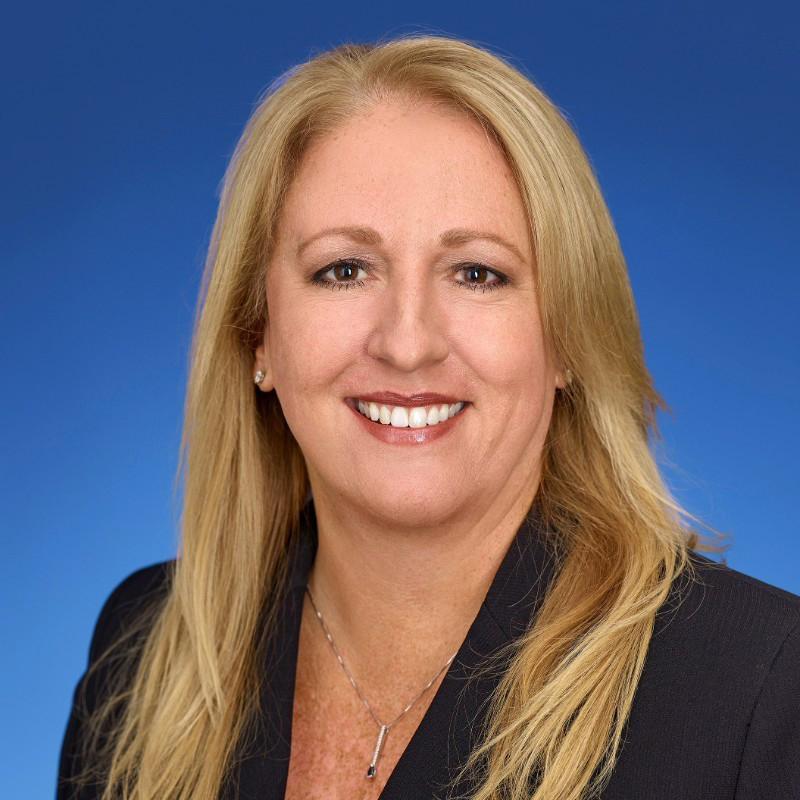
Evolving Vacation Ownership: Vacatia’s Michelle DuChamp on Adapting to the New Traveler
It’s always a pleasure to sit down with industry colleagues who not only understand where we’ve been but can also see where we’re headed. I recently caught up with Michelle DuChamp, Head of Partner Services at Vacatia, shortly after we’d both survived the whirlwind of the GNEX-CRTA Annual Meeting in Orlando—complete with its usual mix of insight, inspiration, and, yes, a little bull riding. (Let’s just say there’s video evidence somewhere, but that’s for another story.)
Our conversation centered on how the vacation ownership industry is adapting to economic uncertainty, evolving guest expectations, and—perhaps most importantly—how to keep independent resorts competitive in an era when travelers’ habits change as fast as airfare prices.
Meeting Guests Where They Are
“People are still taking vacations,” DuChamp began, “and that’s just part of life. What’s changing is how and why they travel.”
Her point resonated. Even in an unpredictable economy, the need to escape—preferably somewhere warm, clean, and well-stocked with margarita mix—hasn’t diminished. The challenge, she said, lies in meeting travelers’ evolving needs.
Vacatia’s approach involves maintaining strong traditional sales operations while continuously fine-tuning the product mix. “Everyone moves through different life stages,” DuChamp explained. “Their financial situation, family dynamics, and even their travel motivations change. So, our job is to make sure vacation ownership evolves with them.”
That adaptability includes everything from offering short-term ownership options to strengthening value for long-term owners. For those who can’t travel every year, Vacatia ensures there are alternatives—renting, exchanging, or gifting their time. The goal? To reinforce the sense that ownership still carries tangible value.
Vacatia’s Secret Sauce: A Hospitality-First Mindset
When I asked Michelle about Vacatia’s “secret sauce,” she didn’t hesitate: “It’s all about taking a hospitality-first approach.”
She elaborated, “No two resorts are the same. Each has a different balance of rentals, sales, and owner engagement. Our job is to find the right mix for each one.”
That flexibility, she said, is key to sustainability. “If you introduce someone to the property through a rental, maybe they return next year. Maybe they buy a trial product—or even become a full-fledged owner. The idea is to keep them in the family.”
I joked that she sounded like a timeshare matchmaker, to which she laughed. But she’s not wrong. The art of nurturing relationships—between travelers, owners, and resorts—has always been the heartbeat of our business.
Generations, Flexibility, and the “Experience Economy”
Having spent years at Interval International before joining Vacatia, DuChamp has watched the industry evolve from the inside. “A decade ago, we had developers lining up to build new timeshare resorts,” she said. “Now, the focus is on repurposing and reinventing existing properties—especially for a generation that doesn’t necessarily want to own anything.”
That insight hits home for many resort boards and managers. Millennials and Gen Z travelers are far more interested in experiences than in title deeds. “They don’t own cars or even houses,” DuChamp noted. “So why would they want to own a vacation forever?”
Her solution: meet them halfway. “Create flexible ownership products that fit different life stages and emphasize experiences. Show them something new, something they wouldn’t think to do on their own. That’s where the magic happens.”
At this point, I admitted my AARP magazine subscription (a moment of humility she graciously ignored) and told her about an article showing that retirees rank travel as their number one post-career goal. “There’s your growth market,” I said. “People who finally have the time to travel—and appreciate value.”
She agreed wholeheartedly. “Retirees are some of our happiest owners,” she said. “They see timeshare as a way to explore the world without worrying about logistics. They’re flexible, adventurous, and they understand the value of what they own.”
Partnerships and Power: Independence with Strength
Vacatia’s independent resort partners have always been the company’s passion. “We’ve had a huge year,” DuChamp shared, “with our acquisition of The Berkley Group and Daily Management. That’s brought tremendous new capabilities to our team and real buying power for resorts.”
How much buying power? “About $20.5 billion worth,” she said with a grin. “That means even the little things—like toilet paper—can now be purchased with bulk savings. We’ve seen resorts save 10 to 15 percent on property expenses simply by leveraging our partnerships.”
For board members managing aging properties and rising insurance or labor costs, those savings can be game-changing. “Board members have the toughest unpaid job in the world,” she laughed. “They’re essentially running small businesses for free. Anything that helps them stretch resources further is a win.”
Technology with a Human Touch
While Vacatia started in 2013 as a technology solutions company, DuChamp is quick to emphasize that technology is a tool, not a replacement for people. “You can’t automate hospitality,” she said. “The human factor is what makes a vacation special.”
Still, Vacatia has brought serious tech to the table: integrated property management systems, modernized reservation tools, intuitive owner portals, and online check-in systems that rival major hotel chains.
“Our goal is to make life easier for staff and guests,” she said. “If your front desk team can be trained in a day instead of a week, that’s more efficiency and less turnover. And if an owner can pay maintenance fees, update information, or send a sister to use their week online—that’s convenience.”
I teased her that as a fellow AARP reader, I still like to make phone calls once in a while. “Absolutely,” she said. “That’s why we offer both. Technology should augment, not replace, real communication.”
The Independent Spirit
As our conversation wound down, Michelle reflected on what keeps her motivated. “The independent resort space is where this industry was built,” she said. “Those resorts have character. They’re the heart and soul of timesharing.”
Vacatia’s mission, she explained, is to help those independent properties thrive—whether that means full-service management or à la carte support. “Not everyone needs the Cadillac,” she quipped. “Sometimes you just need the Volkswagen—or even a few dishes off the Chinese menu.”
That line made me laugh, but her point was clear: Vacatia’s strength lies in meeting resorts exactly where they are, offering help that fits their size, budget, and goals.
As we wrapped up, she added one final thought that struck me as pure Michelle: “Knowledge is power. It never hurts to pick up the phone, talk to someone, and share ideas. Maybe it leads to business; maybe it just helps the industry grow stronger. Either way, that’s a good day.”
And that, folks, is what makes conversations like these so valuable—and why our industry continues to evolve with such resilience and heart.
Michelle’s Key Takeaways
1. Hospitality First, Always.
Every resort is unique—no cookie-cutter solutions here. Vacatia helps each property find its ideal balance between rentals, sales, and owner engagement.
2. Flexibility Wins the Future.
Today’s travelers crave options, not obligations. The next generation values experiences and short-term ownership over long-term commitments.
3. Retirees Are Ready to Roll.
AARP readers, rejoice! Retirees represent one of the most active—and appreciative—segments of the vacation ownership market.
4. Partnerships Pay Off.
Through acquisitions like The Berkley Group and Daily Management, Vacatia now brings $20.5 billion in buying power to independent resorts—cutting costs by up to 15%.
5. Technology Should Help, Not Replace.
Owner portals, online check-ins, and easy payment tools streamline operations, but human connection remains at the core of hospitality.
6. Knowledge Is Power.
Never underestimate the value of a phone call—or a good conversation. Sharing expertise keeps independent resorts strong.
Sharon Scott Wilson, RRP, is Publisher of Resort Trades Media Group. She curates and writes articles covering trends and opportunities in the vacation ownership and resort development sectors, helping industry professionals strengthen relationships with their owners and guests. Idea for an article? Visit her at linkedin.com/in/sharonscottwilson.