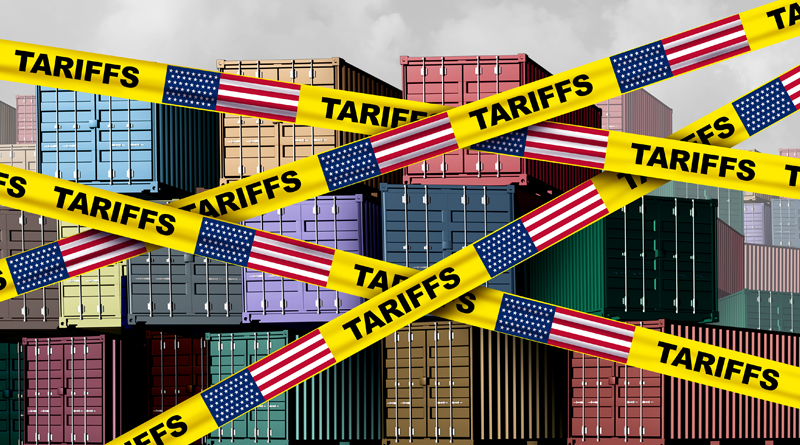
Tariff Turmoil: What Resorts Can Do Now
Today, there’s only one thing that timeshare developers, resort managers, HOAs, designers, and suppliers can be certain about when it comes to tariffs: uncertainty. As trade policies shift and tariffs fluctuate—sometimes dramatically—resorts are left scrambling to adjust budgets, timelines, and expectations. With large-scale renovations and rebuilds often planned six to twelve months to years in advance, the unpredictable nature of international tariffs presents a serious challenge for the industry.
Despite these headwinds, many professionals across the timeshare ecosystem are navigating the terrain with cautious adaptability, offering insight and strategies to help resorts stay ahead of the curve.
“The pricing changes daily,” said Sarah Crawford, CFO at Hospitality Resources & Design. “We’re getting emails from vendors constantly. Some will reprice contracts to incorporate tariffs, others will just tack on an extra fee.” Crawford explained that some suppliers estimate the tariff at the time of shipping, leaving resorts exposed to costs they didn’t anticipate when approving the initial budget.

This volatility makes accurate forecasting nearly impossible. Dawn Sena, president of Sena Hospitality Design, echoed that sentiment: “By the time this article comes out, it could be a whole different story. Everything changes—one day it’s 150%, then it’s 30%, then there’s a 90-day hold. Everyone’s writing disclosures and disclaimers to cover themselves.”
Even when contracts are already in place, tariffs that hit in transit can impact final costs. Crawford emphasized that while she and her vendors try to absorb what they can, “with China being 145%, that’s just not feasible.”
A Vendor Shuffle—and a Bottleneck
One of the most visible ripple effects has been the rush away from Chinese manufacturing. Crawford and Sena have both made efforts to source from other countries—Vietnam, India, Indonesia—but those alternatives come with their own issues.
“Vietnam is an option, but they simply don’t have the capacity to absorb all the manufacturing that used to be done in China,” said Crawford. “Some manufacturers operate in multiple countries so when we put in a request, they decide where to manufacture based on capacity and tariff exposure.”
Sena noted that U.S.-based manufacturers are overwhelmed. “Everyone is trying to go domestic, especially for case goods. But there’s just a handful of domestic companies making them, and they’re slammed. Some are withdrawing quotes because they’re too busy.”
For resorts accustomed to predictable, affordable supply chains, this bottleneck is a shock. And not all foreign alternatives offer acceptable quality. “It’s difficult for new manufacturers in other countries to match the quality level that suppliers in Asia have achieved over the past few decades,” said Sena.
The Cost of Delay—and the Risk of Moving Forward
Timeshare renovation timelines are rigid. Board approvals, seasonal occupancy fluctuations, and reservation commitments leave little room for deferrals. “We’ve got properties that want to roll out their refresh by next January,” Sena said. “They can’t just wait and see. They need product delivered and installed before their high season.”
Yet even moving forward comes with financial risk. Crawford described clients having to pay to store product that they ordered early to lock in pricing during the tariff pause. Others are deliberately delaying shipments from China, hoping rates will drop.
As both Crawford and Sena pointed out, these types of logistical gymnastics add cost, complexity, and stress. And for resorts operating under HOA-driven budgets, there’s often no wiggle room for surprises.
Hidden Tariff Concerns: Insurance Policies and Reserve Studies
One of the less obvious impacts of rising tariffs is their distortion of long-term financial planning tools like reserve studies. As Terry Ford, JD, senior vice president of property & casualty at Gregory & Appel, explained, “If your reserve study is more than three years old, it likely underestimates today’s sharply higher replacement costs – leaving your funding dangerously short.”
Crawford agreed, saying, “A reserve study is only useful if it’s based on current data. If resorts are using old pricing, their funding targets could fall short.”
This is also applicable to disaster recovery efforts. Insurance policies base their coverage limits on replacement cost values declared at the start of the policy period. If construction or FF&E costs have escalated significantly since then, the coverage may not stretch far enough.
“Carriers don’t adjust your statement of values mid-policy,” Ford explained. “If your coverage limit is based on outdated rebuild costs, and a loss occurs, your insurance payout may fall short, forcing the HOA or owners to absorb the gap.”
Some policies contain margin clauses that allow for a certain percentage above the stated value, but even those have limits. In other words, underinsuring now can lead to financial shortfalls later—especially when unexpected tariffs drive up rebuild costs. “Margin clauses can offer a small cushion – typically 10-25% above stated values – but they’re no substitute for keeping your valuations up to date,” Ford added.
In addition, resorts may need to revisit their business interruption coverage, which helps cover lost income and ongoing expenses when a resort is forced to close or operate at reduced capacity due to a covered loss. ”With longer lead times and possible tariff-driven supply chain delays, resorts should also ensure their business interruption coverage accounts for realistic rebuild and restart timelines,” Ford said.
Strategic Steps
So what can resorts do in this environment? First, as Crawford emphasized, planning ahead is essential. “If your reserve study says you’ll need to replace something next year, start the conversation now. Don’t wait until six months out.”
Working with experienced design and procurement professionals who maintain long-standing vendor relationships is also key. “Because of our history with certain vendors, I can sometimes get them to absorb part of the tariff,” said Crawford. “Those relationships matter.”
Legal and contractual protections also deserve attention. Resorts should be talking to their suppliers and attorneys to ensure they are protected from sudden costs. Sena has been forced to add tariff clauses to her contracts. “No one can commit to an open checkbook,” she said. “Quotes now come with clear disclosures that prices are subject to change based on tariff rates.”
Finally, resorts must revisit their reserve studies and insurance policies. “Make sure your replacement cost valuations are accurate and current,” Ford advised. “And work with your insurance agent to ensure your policy limits are sufficient to account for today’s higher costs.”
The Bottom Line
The timeshare industry thrives on planning, precision, and predictability. Tariffs—and the political posturing that often drives them—disrupt all three. But by staying informed, adjusting financial tools like reserve studies, and maintaining flexibility in sourcing, resorts can minimize their risk.
As Leisa McCollister, vice president of marketing at outdoor furniture manufacturer O.W. Lee, notes, the chaos has an unintended upside for U.S.-based manufacturers. “We’ve always been more expensive because we manufacture here and pay American wages. But now, with imports facing tariffs, it’s leveling the playing field.”
That may be cold comfort in the face of surcharges and delayed shipments, but it’s a reminder that times of uncertainty also create new opportunities—for those prepared to navigate them.
Judy Kenninger heads Kenninger Communications and has been covering the vacation real estate industry for two decades.