
Counting Costs: Rising Costs and Shifting Conditions Spur Need for Updated Reserve Studies
If your resort hasn’t updated its reserve study in the last year or so, there’s a strong chance it’s already outdated. Inflation, tariffs, new environmental regulations, and more frequent extreme weather events have combined to make yesterday’s assumptions about future repair and replacement costs obsolete.
Both financial and engineering experts agree: boards that delay updates risk being seriously underfunded when it’s time for major projects.

“If a resort hasn’t updated its reserve study in the last five years and has an impending project within three to five years, there is a high risk that the reserve fund will be underfunded for that project,” said David DiMarco, R.S., CAM, director of National Capital Reserves for The Falcon Group. “Multiply that across hundreds of components in a typical study for timeshare associations and the result can be significant fee increases or even special assessments.”
Inflation and Tariffs: A One-Two Punch
DiMarco, who previously managed several branded timeshare resorts, said inflationary pressures and tariffs are creating unprecedented volatility in replacement costs.
While tariffs have ebbed and flowed over the past year, their lingering effect on the supply chain has been substantial. “In 2025, we’ve seen tariffs increase 10% on softwood components and 25% on upholstered goods,” DiMarco said. “Even when those are temporary, they have a long tail. Prices rarely return to previous levels.”
Construction-related costs have surged far beyond general inflation. In many markets, roofing costs, for instance, are up 40 – 60% since 2019. HVAC costs are rising in response to new refrigerant regulations, upwards of 10%, and labor pressures are pushing up finishes like carpet—well ahead of CPI inflation. The precise magnitude of increases varies by region, quality, and product class.”
“Even if the tariffs went away tomorrow, you’d still be looking at cost increases of 20 – 30% just from baseline inflation and construction escalation,” DiMarco said. “If your study is older than five years, it likely underestimates current project costs, given the compounding effects of inflation, regulation, and market volatility.”
The Three-Year Rule
Most major brands, DiMarco noted, now operate on a three-year reserve study cycle that includes a site visit, with annual administrative updates in between. But many legacy independent resorts continue to rely on studies that are five or more years old.
“The timeshare industry traditionally has followed a six- or seven-year refurbishment cycle,” he said. “But the economic environment is no longer predictable. Updating every three years—and doing at least a financial refresh annually—allows boards to make smaller, more gradual adjustments instead of facing a large maintenance fee increase later.”
DiMarco emphasized that these interim updates don’t always require a full site visit. “You can do an annual reset based on completed projects and current economic data,” he explained. “Then, every third year, conduct a full inspection to evaluate the actual condition of roofs, HVACs, FF&E, etc. The quality of products being installed today is not what it was 20 years ago, and life cycles are noticeably shorter.”
Climate Resilience and Deferred Maintenance
Another factor accelerating replacement timelines is the weather.
“We’re seeing more frequent and more severe storms in areas that didn’t historically experience them,” DiMarco said. “Rising temperatures, higher rainfall, and coastal flooding all affect the life expectancy of roofing, exteriors, and seawalls. Without incorporating climate resilience into your reserve planning, you’re going to underestimate both timing and cost.”
Deferred maintenance, he added, compounds the risk. “When operating budgets are tight, preventive maintenance is often the first thing cut. That shortens useful life, which means components reach failure sooner. A well-aligned preventive maintenance plan and reserve study are critical to creating accurate life-cycle projections.”
Underinsured and Overexposed
The consequences extend beyond capital planning. According to DiMarco, many resorts are also underinsured.
“Insurers set premiums based on declared replacement values,” he said. “If your reserve study hasn’t been updated, those values may be years out of date. After a loss, the resort can’t simply say, ‘Our costs are higher now.’ The carrier insures based on what’s on the declaration page.”
DiMarco believes closer coordination between insurance appraisers and reserve professionals could help. “Right now, those two disciplines rarely talk to each other,” he said. “They should.”
What the Accountants Are Seeing
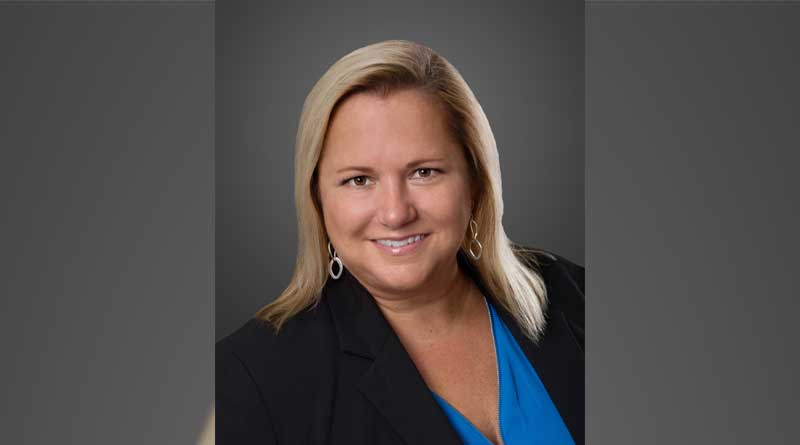
From the accounting side, Lena Combs, partner and hospitality services team leader at Withum, an advisory, tax and accounting firm, sees similar challenges.
“Costs have changed dramatically,” she said. “We’re talking to clients who got quotes a year ago, and those same projects are now 15% higher. Even though the supply chain has improved, prices haven’t come back down. Resorts that haven’t updated their reserve studies in years are often chronically underfunded.”
Combs said that beyond inflation and tariffs, many reserve studies are incomplete. “We’ve seen resorts that didn’t include elevators, sidewalks, or seawalls—major capital items that can run into millions,” she said. “In some cases, a resort might have added a pool or new building years ago and never commissioned a new study. They’re still funding based on outdated 1990s pricing.”
She also noted that the quality of reserve reports varies widely. “There’s no standardized format,” she said. “Some studies are limited to structural components, while others include FF&E. In timeshares, FF&E—sofas, case goods, carpeting—is often the largest portion of the reserve, but it’s also the most affected by tariffs.”
Legislative Pressures and the Florida Effect
Florida’s recent legislation requiring condominiums to maintain structural integrity reserve studies has drawn national attention, but Combs said the impact on the timeshare sector is uneven.
“Many timeshares aren’t organized as condominiums, so they fall outside the statute,” she said. “That was probably an oversight. Still, it’s been a wake-up call. Around the country, we’ll likely see more scrutiny and expectations for formal reserve studies. But regulation alone won’t solve the problem of poor maintenance and underfunding.”
Combs said some engineers have stopped performing reserve studies because of liability concerns. “Their professional liability carriers are refusing to insure them for this work, so the pool of qualified providers is shrinking,” she said. “That makes it even more important for boards to do their homework—look at sample reports, check references, and find a firm with hospitality experience.”
Practical Steps for Resort Boards
Both DiMarco and Combs emphasized that boards can take proactive steps without waiting for the next crisis.
- Review and adjust annually. Update financials each year to reflect completed projects and inflationary impacts.
- Plan full studies every three years. Include a physical inspection to reassess remaining useful life and current conditions.
- Coordinate with insurance and maintenance teams. Align replacement values, reserve funding, and preventive maintenance schedules.
- Broaden the scope. Ensure that all major systems—structural, mechanical, and FF&E—are included.
- Be realistic about inflation. Using a flat 2.5% assumption no longer works; construction inflation often outpaces consumer inflation.
“Boards often think having a reserve study protects them,” DiMarco said. “But a study you put on a shelf for five years doesn’t do you any good. You have to engage with it every year—just like you do your operating budget.”
The New Normal
Neither DiMarco nor Combs expect replacement costs to drop meaningfully anytime soon.
“Even if tariffs ease, the baseline is higher,” Combs said. “Labor shortages, regulatory changes, and material costs have all reset the pricing structure.”
DiMarco agreed. “We’re in a new economic cycle where volatility is the constant,” he said. “The only way to keep your resort financially healthy is to stay current—update your reserve study regularly, monitor your costs, and plan ahead. Otherwise, you’ll always be playing catch-up.”
Judy Kenninger heads Kenninger Communications and has been writing about the vacation real estate industry for two decades.